
Quick Answer: Prayer is simply talking to God with an honest heart. You do not need special words. You can praise God, say sorry, give thanks, and ask for what you need.
Learning how to pray does not have to be complicated. If you have ever sat quietly and wondered whether you were praying the right way, you are not alone. So many people want to talk to God but feel unsure where to start. The good news is that prayer is not about using fancy words or following a strict formula. It is simply an honest conversation with God, and He wants to hear from you just as you are.
At Sharpe Road Church of Christ, we believe prayer is one of the most powerful gifts God has given us. It is how we build a real relationship with Him. In this guide, we will walk through what prayer is, why it sometimes feels hard, and simple steps you can use to build a prayer habit that brings you peace and comfort every day.

What Is Prayer? Understanding How to Pray
Prayer is simply talking with God. It is not a test you can fail, and it is not only for pastors or people who seem to have it all figured out. Prayer is for everyone, including you, right where you are today.
Think of prayer like a conversation with someone who loves you completely and already knows your heart. You can speak out loud, whisper, write your prayers down, or simply think them silently. God hears every one of them. Philippians 4:6 reminds us, “Do not be anxious about anything, but in every situation, by prayer and petition, with thanksgiving, present your requests to God.”
Why Prayer Can Feel Hard Sometimes
Many people feel nervous about prayer because they worry they will say the wrong thing, or they are not sure God is really listening. Others feel too busy, too tired, or too distracted to sit still. These feelings are normal, and almost every believer has felt them at some point.
Here is something comforting to remember. Romans 8:26 tells us that when we do not know what to pray, the Holy Spirit helps us and prays for us “with groanings too deep for words.” You do not have to have it all figured out. You just have to show up with an honest heart.

A Simple Way to Start Praying
Wondering how to pray step-by-step? If you are not sure where to begin, try this simple pattern. Many Christians use the word ACTS to remember it. Each letter stands for a part of prayer you can include.
Adoration. Start by telling God who He is and what you love about Him. You might thank Him for His love, His power, or His faithfulness.
Confession. Be honest about the mistakes you have made. God already knows them, and confession helps you feel the freedom of His forgiveness. 1 John 1:9 promises that if we confess our sins, God is faithful and just to forgive us.
Thanksgiving. Thank God for the good things in your life, big and small. This could be your family, your health, a roof over your head, or simply a new day.
Supplication. This is a big word that simply means asking. Bring your needs, your worries, and your hopes to God. Ask for help for yourself and for the people you love.
You do not have to use these four steps every time. They are simply a helpful starting point for days when you feel stuck. There is no single right way, and learning how to pray is a lifelong journey.
Bible Verses to Guide Your Prayers
When you are not sure what to say, scripture can help guide your words. Here are a few verses many people turn to.
- Matthew 6:9 to 13. This is the Lord’s Prayer, which Jesus gave His followers as a model for prayer.
- Jeremiah 29:12. “Then you will call on me and come and pray to me, and I will listen to you.”
- Psalm 145:18. “The Lord is near to all who call on him, to all who call on him in truth.”
- James 5:16. “The prayer of a righteous person is powerful and effective.”
Tips for Building a Daily Prayer Habit
Like any habit, prayer becomes easier the more you practice it. Here are a few gentle ways to grow closer to God through daily prayer.
Pick a regular time. Many people pray first thing in the morning or right before bed. Choose a time that fits your life so it becomes part of your normal routine.
Find a quiet spot. You do not need anything fancy. A chair by a window, your car before work, or even a few quiet minutes in the shower can become sacred space for you and God.
Keep a prayer journal. Writing down your prayers can help you focus your thoughts and later see how God has answered them over time.
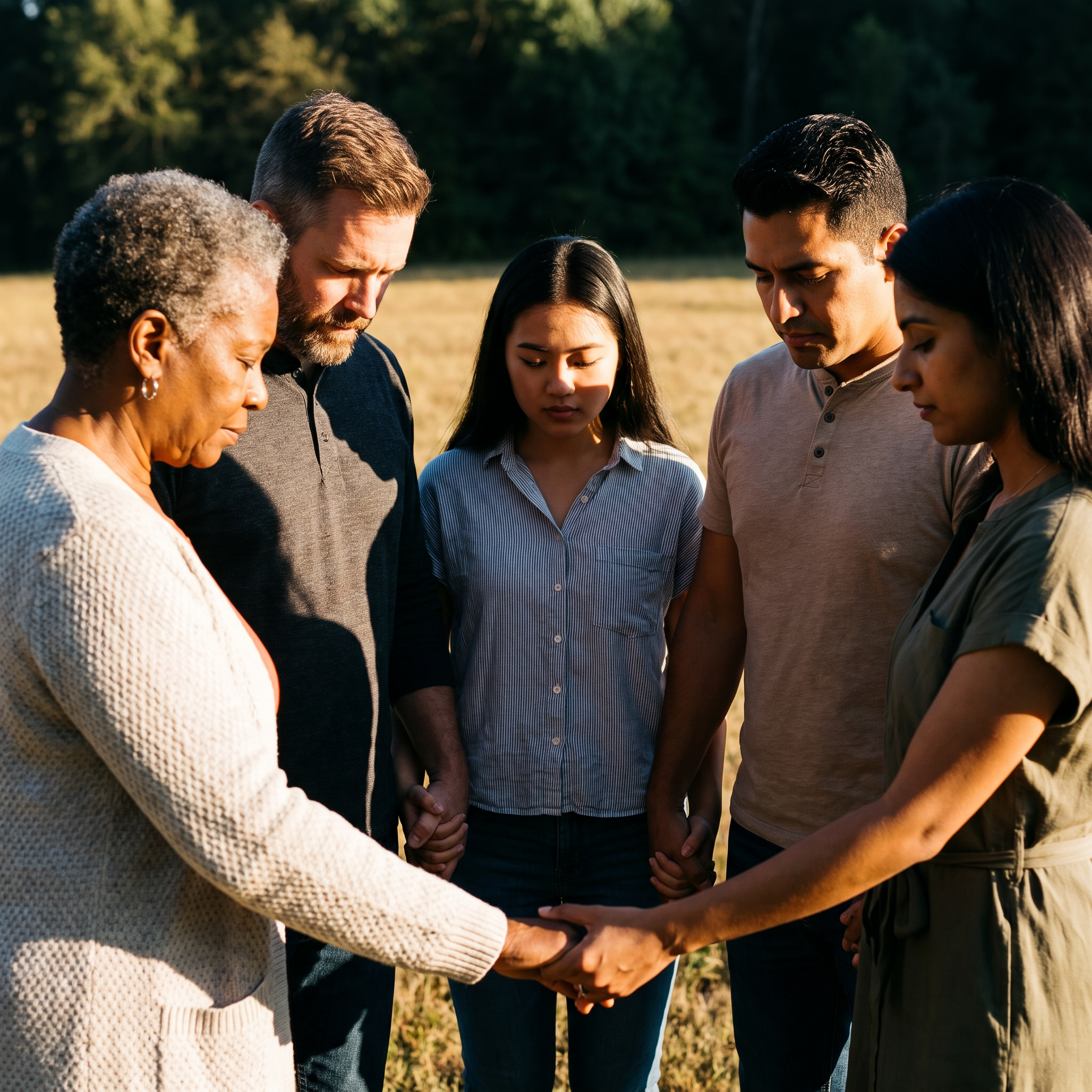
Pray with others. Praying alongside family or church friends can bring comfort and strength. There is something powerful about sharing your faith journey with people who care about you.
Be patient with yourself. Some days your prayers will feel deep and meaningful. Other days they may feel short and simple. Both are valuable. God cares about your heart, not your performance.
Common Questions About Prayer
How long should I pray?
There is no required length. A prayer can be a single sentence or a long, heartfelt conversation. What matters most is that it comes from an honest place.
Do I need to use special words?
No. God is not looking for perfect language. He wants your true thoughts and feelings, spoken in your own words.
What if I do not feel anything when I pray?
That is okay. Faith is not always about feelings. Keep praying consistently, even when it feels quiet, and trust that God is still listening.
Can I pray anywhere?
Yes. You can pray at home, in your car, at work, or outside. God is with you everywhere, so you can talk to Him anytime and anyplace.
Frequently Asked Questions
How long should I pray?
There is no required length. A prayer can be a single sentence or a long, heartfelt conversation. What matters most is that it comes from an honest place.
Do I need to use special words?
No. God is not looking for perfect language. He wants your true thoughts and feelings, spoken in your own words.
What if I do not feel anything when I pray?
That is okay. Faith is not always about feelings. Keep praying consistently, even when it feels quiet, and trust that God is still listening.